


ICE Raids and Illegal Detentions
Summary
The Trump regime bas deployed a masked and militarized force into US communities, often without request or permission from local governments. Their actions have too often resulted in illegal detainment and deportation, destruction of personal property, as well as physical injury and murder. Those who nonviolently expose the illegal tactics are often targeted as well.
Organizations Making a Difference

North Bay Rapid Response Network
The Rapid Response Network provides a way for people to respond to fear and anxiety in our community as a result of the increase in immigration …

Sonoma County Immigrant Community Support
Sonoma County is committed to all who are in need and are eligible for services, regardless of immigration status. All County immigrant residents, …
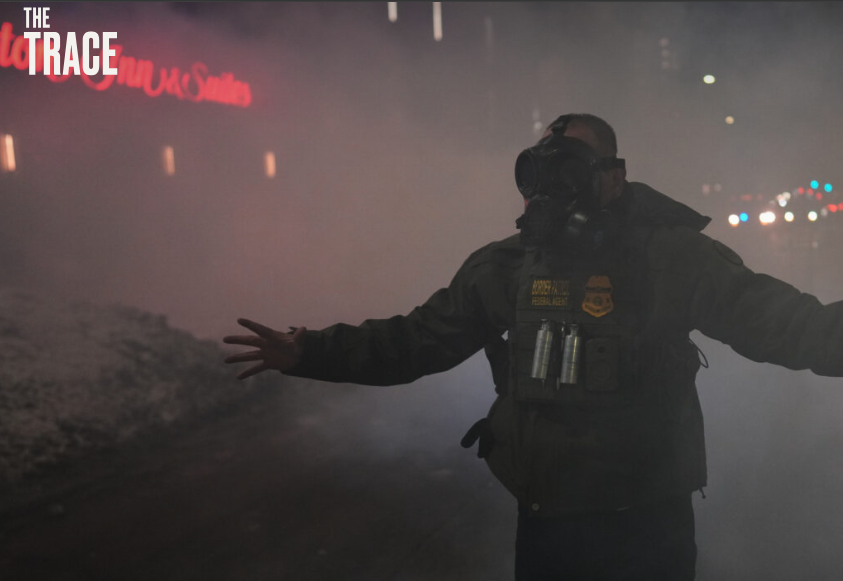
ICE Shootings Tracker
See where and when people were shot or injured in ICE raids related to Trump’s reckless deployment of poorly-trained, masked people into U.S. cities.

Immigrant Legal Resources Center (ILRC)
Working with and educating immigrants, community organizations, and the legal sector to help build a democratic society that values diversity and the …
Related Events
| Key Events related to ICE Raids | ||
|---|---|---|
|
Jan
23
2025
|
Detainee Death
Genry Ruiz Guillén, 29, of Honduras, dies in detention. |
|
|
Jan
29
2025
|
Detainee Death
Serawit Gezahegn Dejene, 45, of Ethiopia, dies in detention. |
|
|
Feb
20
2025
|
Detainee Death
Maksym Chernyak, a Ukrainian citizen, dies in detention. |
|
|
Feb
23
2025
|
Detainee Death
Juan Alexis Tineo-Martinez, 44, of the Dominican Republic, dies in detention. |
|
|
Apr
8
2025
|
Detainee Death
Brayan Garzón-Rayo, 27, of Colombia, dies in detention. |
|
|
Apr
16
2025
|
Detainee Death
Nhon Ngoc Nguyen, 55, dies in detention. |
|
|
Apr
25
2025
|
Detainee Death
Marie Ange Blaise, a 44-year-old citizen of Haiti, dies in detention. |
|
|
May
5
2025
|
Detainee Death
Abelardo Avellaneda Delgado, 68, dies in detention. |
|
|
Jun
7
2025
|
Detainee Death
Jesus Molina-Veya, a 45-year-old citizen of Mexico, dies in detention. |
|
|
Jun
23
2025
|
Detainee Death
Johnny Noviello, 49, a lawful US resident, dies in detention. |
|
|
Jun
26
2025
|
Detainee Death
Isidro Pérez, 75, of Cuba, dies in detention. |
|
|
Jul
19
2025
|
Detainee Death
Tien Xuan Phan, 55, dies in detention. |
|
|
Aug
5
2025
|
Detainee Death
Chaofeng Ge, 32, of China, dies in detention. |
|
|
Aug
31
2025
|
Detainee Death
Lorenzo Antonio Batrez Vargas, 32, dies in detention. |
|
|
Sep
8
2025
|
Detainee Death
Oscar Rascon Duarte, 58, of Mexico, dies in detention. |
|
|
Sep
18
2025
|
Detainee Death
Santos Banegas Reyes, 42, dies in detention. |
|
|
Sep
22
2025
|
Detainee Death
Ismael Ayala-Uribe, 39, a US resident since the age of 5, dies in detention. |
|
|
Sep
24
2025
|
Detainee Death
Norlan Guzman-Fuentes, 37, of El Salvador, dies in detention. |
|
|
Sep
29
2025
|
Detainee Death
Miguel Ángel García Medina, 31, of Mexico, dies in detention. |
|
|
Sep
29
2025
|
Detainee Death
Huabing Xie, of China, dies in detention. |
|
|
Oct
4
2025
|
Detainee Death
Leo Cruz-Silva, of Mexico, dies in detention. |
|
|
Oct
11
2025
|
Detainee Death
Hasan Ali Moh'D Saleh, 67, if Jordan, dies in detention. |
|
|
Oct
23
2025
|
Detainee Death
Josué Castro Rivera, 25, of Honduras, dies in detention. |
|
|
Oct
23
2025
|
Detainee Death
Gabriel Garcia Aviles, 54, of Mexico, dies in detention. |
|
|
Oct
25
2025
|
Detainee Death
Kai Yin Wong, 63, of China, dies in detention. |
|
|
Dec
5
2025
|
Detainee Death
Francisco Gaspar-Andrés, 48, of Guatemala, dies in detention. |
|
|
Dec
6
2025
|
Detainee Death
Pete Sumalo Montejo, 72, a lawful permanent resident, dies in detention. |
|
|
Sep
8
2025
|
Detainee Death
Shiraz Fatehali Sachwani, 48, of Pakistan, dies in detention. |
|
|
Dec
12
2025
|
Detainee Death
Jean Wilson Brutus, 41, of Haiti, dies in detention. |
|
|
Dec
14
2025
|
Detainee Death
Fouad Saeed Abdulkadir, 46, of Eritrea, dies in detention. |
|
|
Dec
14
2025
|
Detainee Death
Delvin Francisco Rodriguez, 39, of Nicaragua, dies in detention. |
|
|
Dec
15
2025
|
Detainee Death
Nenko Stanev Gantchev, 56, of Bulgaria, dies in detention. |
|
|
Dec
12
2025
|
Detainee Death
Jean Wilson Brutus, 41, of Haiti, dies in detention. |
|
Related Books

The Structural Transformation of the Public Sphere
Give Me Liberty!
The Revolt of the Elites
The Road to Illegitimacy
The Public and Its Problems
We the People
Democracy and the Police
Public Choice and Public Law
Parchment, Guns, and Constitutional Order
The Press and the Decline of Democracy
The Open Space of Democracy
Attention Deficit Democracy
Civility: Manners, Morals, and the Etiquette of Democracy
Public Opinion
The Dissent of the Governed
Rights vs. Public Safety After 9/11
Diminished Democracy
Dilemmas of Democracy and Dictatorship
Democracy and Populism
The End of Kings
America at the Crossroads: Democracy, Power, and the Neoconservative Legacy
An American Dilemma
It Can Happen Here
Making Democracy Work
Politics Lost: From RFK to W: How Politicians Have Become Less Courageous and More Interested in Keeping Power Than in Doing What's Right for America
Power Kills
Take Back Your Government
The Future of Freedom: Illiberal Democracy at Home and Abroad
Democracy and Economic Power: Extending the ESOP Revolution Through Binary Economics
Failed States: The Abuse of Power and the Assault on Democracy
The Government We Deserve: Responsive Democracy and Changing Expectations
The Challenge of Democracy
On Liberty
How to Cure a Fanatic
A People's History of the United States

Healing Resistance: A Radically Different Response to Harm
America's Racial Karma: An Invitation to Heal
The Origins of Totalitarianism
The Origins of Totalitarianism begins with the rise of anti-Semitism in Europe in the 1800s and continues with an examination of European colonial imperialism from 1884 to the outbreak of World War I, and then traces the emergence of racism as an ideology, and its modern application as an “ideological weapon for imperialism”, by the Boers during the Great Trek (1830s–40s) in the early 19th century.
Arendt argues that totalitarianism was a “novel form of government,” that “differs essentially from other forms of political oppression known to us such as despotism, tyranny and dictatorship” in that it applied terror to subjugate mass populations rather than just political adversaries.
Arendt also theorized that, owing to its peculiar ideology, “totalitarianism has discovered a means of dominating and terrorizing human beings from within”
She further contends that Jewry was not the operative factor in the Holocaust, but merely a convenient proxy, and that totalitarianism in Germany was, in the end, about terror and consistency, not eradicating Jews only. This is consistent with recent research indicating that Hitler greatly admired and emulated US methods for the extermination of Native Americans and the subjugation of enslaved Africans. A key concept is the application of Kant’s phrase “Radical Evil”, which she applied to the people who created and carried out such tyranny and their depiction of their victims as “Superfluous People”.
The book is regularly listed as one of the best non-fiction books of the 20th century, however due to her couragious recognition that similar forces were at work in Zionist Israel and Capitalist America, her ideas are often ignored or misquoted in corporate media and mainstream academic research.