
US-Israeli Attack on Iran
Summary
The illegal unprovoked attack by the US and Israel against Iran is deeply unpopular in the United States and globally. This is the latest in a long series of imperialist meddling.
Organizations Making a Difference
Indivisible Sonoma County
Indivisible Sonoma County was established in 2017, along with thousands of other Indivisible chapters, in response to the 2016 electoral selection of …

Middle East Children’s Alliance (MECA)
The Middle East Children’s Alliance (MECA) works to protect the rights and improve the lives of children in the Middle East through aid, empowerment …

U.S. Military Aid and Arms Transfers to Israel, October 2023 to September 2025
An overview of U.S. military aid and arms transfers to Israel from October 2023 to September 2025.
US-Israel Attacks on Iran: Death Toll and Injuries Live Tracker
Live updates of death and injury counts resulting from the illegal attack by actors in the U.S., Israeli and aligned authoritarian regimes upon the …

Electonic Intifada
An independent online news publication and educational resource focusing on Palestine, its people, politics, culture and place in the world.
Related Events
| Key Events in US-Iran Relations | ||
|---|---|---|
|
1951
|
Resistance to Economic Colonialism
Prime Minister Mohammad Mosaddegh nationalizes Iran's oil industry, which was being monopolized and exploited by British corporations. |
|
|
1953
|
Regime Change Coup
The U.S. CIA and British MI6 orchestrate a violent coup to overthrow Mosaddegh, the democratically elected President of Iran, reinstating the brutal dictatorship of Shah, Mohammad Reza Pahlavi. |
|
|
1979
|
Popular Revolution
The Iranian Revolution occurs, leading to the overthrow of the Shah. Ayatollah Khomeini returns from exile and establishes the Islamic Republic of Iran. |
|
|
1979
|
Iran Hostage Crisis
The Iran Hostage Crisis begins when Iranian students, angered by U. S. protection of the Shah, seize the U.S. Embassy in Tehran and take 52 US Americans hostage. |
|
|
1980 to
1988 |
Iran-Iraq Proxy War
The U.S. launches the Iraq proxy war against Iran. Iran ultimately wins, but at a great cost. |
|
|
1983
|
Beirut Bombing
The U.S. embassy in Beirut is bombed, killing 63 people, including 17 US Americans. |
|
|
1995
|
Economic Sanctions
The U.S. imposes a trade embargo on Iran. |
|
|
2001 to
2009 |
Fragile Diplomacy
Attempts at diplomatic engagement occur, but tensions remain high, particularly after President George W. Bush labels Iran part of the "Axis of Evil." |
|
|
2015
|
JCPOA Signed
The Joint Comprehensive Plan of Action (JCPOA) is signed, which limits Iran's nuclear program in exchange for sanctions relief. |
|
|
2018
|
Unilateral Treaty Abrogation
U.S. President Select Trump unilaterally withdraws from the JCPOA, reinstating illegal economic sanctions against Iran. |
|
|
2020
|
Assassination
The U.S. murders Iranian General Qassem Soleimani and others while pn their way to negotiations in Iraq. |
|
|
2026
|
Netanyahu Gets His War
After over 40 years of unsuccessfully trying to convince a U.S. president to attack Iran, Trump falls for Netanyahu's bait, and begins an unprovoked, undeclared and illegal war. The first wave of bombings results in the murder of hundreds of schoolgirls, Supreme Leader Ali Khamenei and his family, and many other top leaders. |
|
|
2026
|
Quagmire
Despite Netanyahu's claims, the government of Iran does not disintegrate under the bombing, and the war disintegrates into an uneasy stalemate in which Iran appears to have the stragegic advantage. |
|
Related Books

The Peloponnesian War
Resurrecting Empire
Religion in the Public Square
The Powers and Aims of Western Democracy
Globalizing Civil Society
History and Illusion in Politics
Blood in the Sand
The Policing of Politics in the Twentieth Century
People Before Profit
America at the Crossroads: Democracy, Power, and the Neoconservative Legacy
Take Back Your Government
The Future of Freedom: Illiberal Democracy at Home and Abroad
Empire
Democracy and Economic Power: Extending the ESOP Revolution Through Binary Economics
The Opinion Makers: An Insider Exposes the Truth Behind the Polls
Failed States: The Abuse of Power and the Assault on Democracy
Predator Nation: Corporate Criminals, Political Corruption, and the Hijacking of America
Giving Offense: Essays on Censorship
World Revolution of Westernization: The Twentieth Century in Global Perspective
The Tragedy of American Diplomacy
The War State: The Cold War Origins of the Military-Industrial Complex and the Power Elite, 1945-1963
The Devil's Chessboard: Allen Dulles, the CIA, and the Rise of America's Secret Government
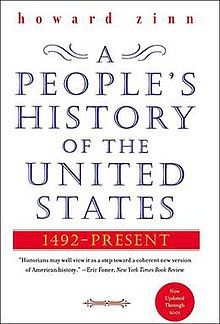
A People's History of the United States
The 100 Years War on Palestine
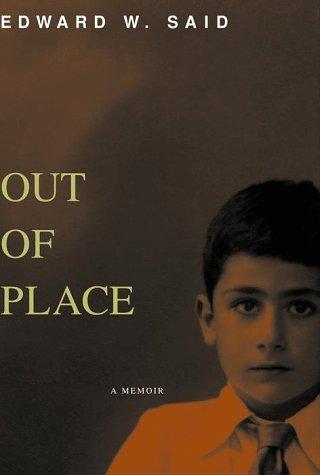
Out of Place
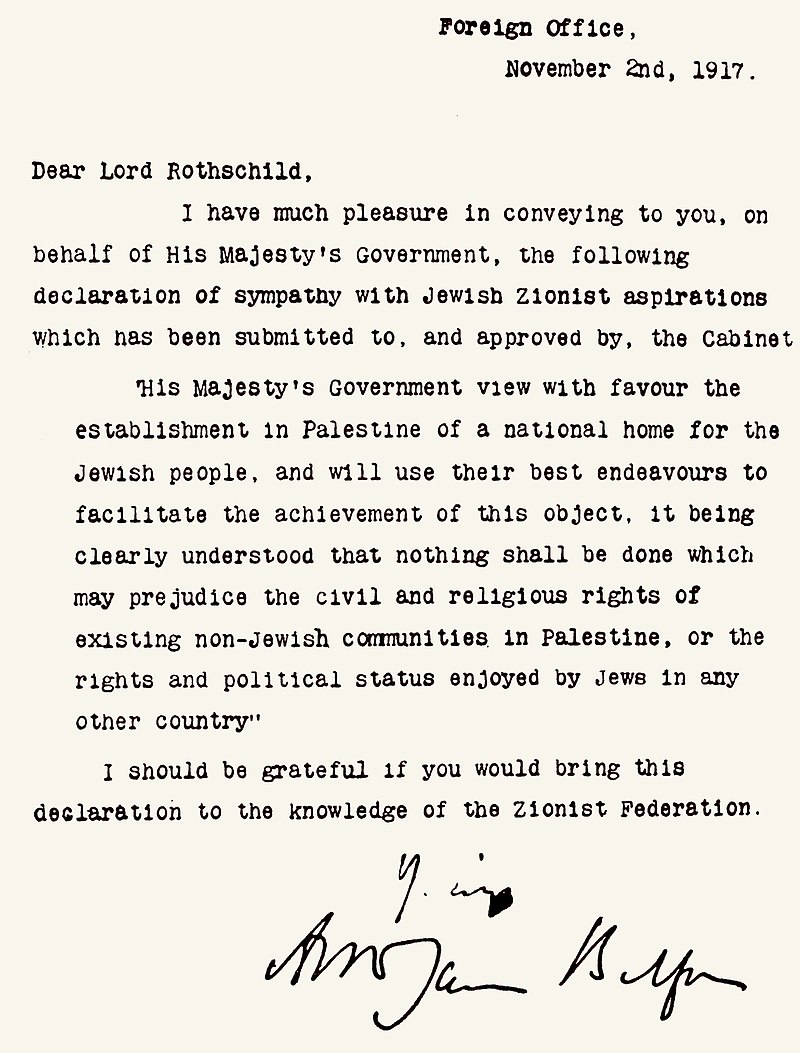
The Balfour Declaration
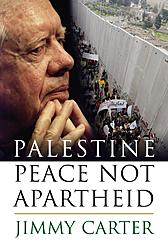
Palestine: Peace Not Apartheid
The Question of Palestine